Freedom & Dysfunction
This book is written first for me, for my inner child who suffered years of abuse without even knowing it. It is to shout out to the world: “This really did happen. It is not ok. It left long-lasting damage.”

A passion for telling the truth about child abuse
Living in a household where the caregiver threatens and menaces children can cause permanent psychological, emotional, mental damage.
Recovery is possible! Here’s a tool you can start using now.
RAIN =
R — Recognize that you are disturbed, the pattern
A — Allow Space/Time to reflect before responding
I — Investigate: What am I feeling; how old is the part of self that is reacting, suffering?
N — Nurture: Allow inner child to be heard; give yourself the love that he or she never got growing up
Continuous Support is necessary for full recovery.
The 12 steps, therapy, vigorous exercise, bonding with my inner child, and sense of purpose are useful ingredients for recovery from trauma.
Recovery
Yes, it is possible to recover from a hopeless, state of mind and body.
We have learned that trauma is not just an event that took place sometime in the past; it is also the imprint left by that experience on the mind, brain, and body.
The Body Keeps the Score
Consulting
Chat with Jim about how trauma impacted you.
jbhays.csu@gmail.com
Solutions
Love, patience, honesty, curiosity, therapy, meetings, steps, sports, sharing, caring, rewiring
An array of resources to consult to better understand trauma
Freedom and Dysfunction in an All-American Family
Who Hurt You So? By Edna St. Vincent Millay
Ashly Lorenzana, Complex PTSD: From Surviving to Thriving
The Courage to Heal: A Guide for Women Survivors of Child Sexual Abuse
Childhood Disrupted: How Your Biography Becomes Your Biology and How You Can Heal
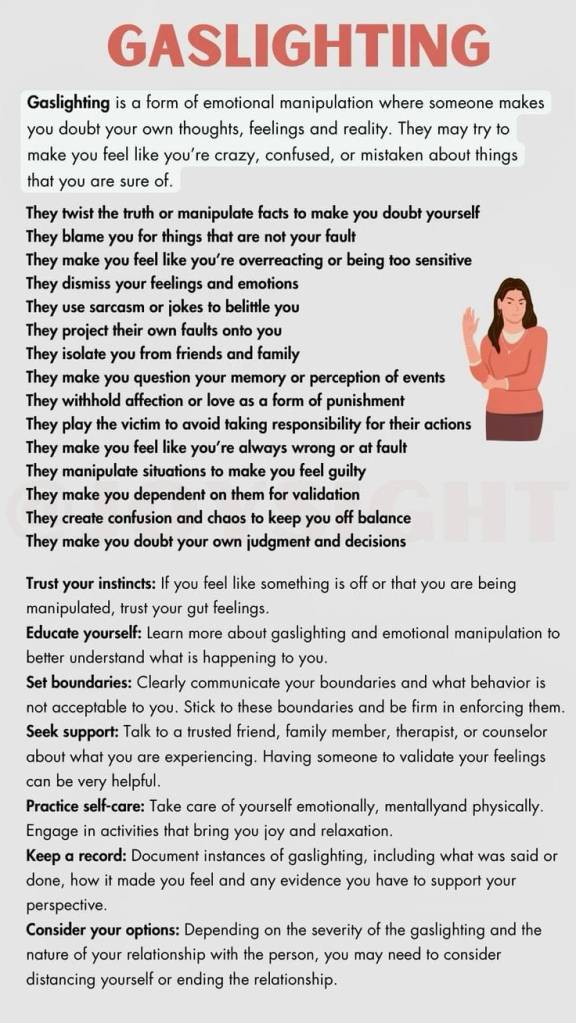
Many of us trauma-survivors are prone to gaslighting .

Newsletter
- Stories about fellow trauma survivors.
It’s okay to speak out about your abuse. That is the beginning of healing.

Watch, Read, Listen
-
“Furthermore, inflammatory cytokines may serve as mediators of both environmental (e.g. childhood trauma, obesity, stress, and poor sleep) and genetic (functional gene polymorphisms) factors that contribute to depression’s development.”
This statement from an NIH source, is further evidence that trauma and out of control cytokines and inflammation are linked to mental health issues like depression: “Furthermore, inflammatory cytokines may serve as mediators of both environmental (e.g. childhood trauma, obesity, stress, and poor sleep) and genetic (functional gene polymorphisms) factors that contribute to depression’s development.”
So is there a way to correct this disregulation and improve my levels of joy and happiness? Are cytokines the key?
https://pubmed.ncbi.nlm.nih.gov/23644052/
-
“Furthermore, inflammatory cytokines may serve as mediators of both environmental (e.g. childhood trauma, obesity, stress, and poor sleep) and genetic (functional gene polymorphisms) factors that contribute to depression’s development.”
This statement from an NIH source, is further evidence that trauma and out of control cytokines and inflammation are linked to mental health issues like depression: “Furthermore, inflammatory cytokines may serve as mediators of both environmental (e.g. childhood trauma, obesity, stress, and poor sleep) and genetic (functional gene polymorphisms) factors that contribute to depression’s development.”
So is there a way to correct this disregulation and improve my levels of joy and happiness? Are cytokines the key?
https://pubmed.ncbi.nlm.nih.gov/23644052/
-
“Furthermore, inflammatory cytokines may serve as mediators of both environmental (e.g. childhood trauma, obesity, stress, and poor sleep) and genetic (functional gene polymorphisms) factors that contribute to depression’s development.”
This statement from an NIH source, is further evidence that trauma and out of control cytokines and inflammation are linked to mental health issues like depression: “Furthermore, inflammatory cytokines may serve as mediators of both environmental (e.g. childhood trauma, obesity, stress, and poor sleep) and genetic (functional gene polymorphisms) factors that contribute to depression’s development.”
So is there a way to correct this disregulation and improve my levels of joy and happiness? Are cytokines the key?
https://pubmed.ncbi.nlm.nih.gov/23644052/
-
“Furthermore, inflammatory cytokines may serve as mediators of both environmental (e.g. childhood trauma, obesity, stress, and poor sleep) and genetic (functional gene polymorphisms) factors that contribute to depression’s development.”
This statement from an NIH source, is further evidence that trauma and out of control cytokines and inflammation are linked to mental health issues like depression: “Furthermore, inflammatory cytokines may serve as mediators of both environmental (e.g. childhood trauma, obesity, stress, and poor sleep) and genetic (functional gene polymorphisms) factors that contribute to depression’s development.”
So is there a way to correct this disregulation and improve my levels of joy and happiness? Are cytokines the key?
https://pubmed.ncbi.nlm.nih.gov/23644052/
-
“Furthermore, inflammatory cytokines may serve as mediators of both environmental (e.g. childhood trauma, obesity, stress, and poor sleep) and genetic (functional gene polymorphisms) factors that contribute to depression’s development.”
This statement from an NIH source, is further evidence that trauma and out of control cytokines and inflammation are linked to mental health issues like depression: “Furthermore, inflammatory cytokines may serve as mediators of both environmental (e.g. childhood trauma, obesity, stress, and poor sleep) and genetic (functional gene polymorphisms) factors that contribute to depression’s development.”
So is there a way to correct this disregulation and improve my levels of joy and happiness? Are cytokines the key?
https://pubmed.ncbi.nlm.nih.gov/23644052/
-
“Furthermore, inflammatory cytokines may serve as mediators of both environmental (e.g. childhood trauma, obesity, stress, and poor sleep) and genetic (functional gene polymorphisms) factors that contribute to depression’s development.”
This statement from an NIH source, is further evidence that trauma and out of control cytokines and inflammation are linked to mental health issues like depression: “Furthermore, inflammatory cytokines may serve as mediators of both environmental (e.g. childhood trauma, obesity, stress, and poor sleep) and genetic (functional gene polymorphisms) factors that contribute to depression’s development.”
So is there a way to correct this disregulation and improve my levels of joy and happiness? Are cytokines the key?
https://pubmed.ncbi.nlm.nih.gov/23644052/
Click here to Share your story of trauma, dysfunction, or abuse.
-
Recovery Takes Time
“Furthermore, inflammatory cytokines may serve as mediators of both environmental (e.g. childhood trauma, obesity, stress, and poor sleep) and genetic (functional gene polymorphisms) factors that contribute to depression’s development.”
This statement from an NIH source, is further evidence that trauma and out of control cytokines and inflammation are linked to mental health issues like depression: “Furthermore, inflammatory cytokines may serve as mediators of both environmental (e.g. childhood trauma, obesity, stress, and poor sleep) and genetic (functional gene polymorphisms) factors that contribute to depression’s development.”
So is there a way to correct this disregulation and improve my levels of joy and happiness? Are cytokines the key?
https://pubmed.ncbi.nlm.nih.gov/23644052/
I remember the early part of my recovery from alcohol and drugs. I went from deeply depressed, broke and unemployable, homeless, isolated and alone to a clean and sober, spiritually awakened, productive, physically fit, career changing and “successful” individual all within a span of about 2 years. The trajectory was not vertical but it was…
-
The Effects of Trauma
“Furthermore, inflammatory cytokines may serve as mediators of both environmental (e.g. childhood trauma, obesity, stress, and poor sleep) and genetic (functional gene polymorphisms) factors that contribute to depression’s development.”
This statement from an NIH source, is further evidence that trauma and out of control cytokines and inflammation are linked to mental health issues like depression: “Furthermore, inflammatory cytokines may serve as mediators of both environmental (e.g. childhood trauma, obesity, stress, and poor sleep) and genetic (functional gene polymorphisms) factors that contribute to depression’s development.”
So is there a way to correct this disregulation and improve my levels of joy and happiness? Are cytokines the key?
https://pubmed.ncbi.nlm.nih.gov/23644052/
“However, chronic exposure to elevated inflammatory cytokines and persistent alterations in neurotransmitter systems can lead to neuropsychiatric disorders and depression.” I’m doing research into cytokines and their role in depression. It looks like there is a pretty good possibility that the prolonged trauma in my youth contributed to my ongoing challenges with depression. I also…
-
The Process of Writing my Book
“Furthermore, inflammatory cytokines may serve as mediators of both environmental (e.g. childhood trauma, obesity, stress, and poor sleep) and genetic (functional gene polymorphisms) factors that contribute to depression’s development.”
This statement from an NIH source, is further evidence that trauma and out of control cytokines and inflammation are linked to mental health issues like depression: “Furthermore, inflammatory cytokines may serve as mediators of both environmental (e.g. childhood trauma, obesity, stress, and poor sleep) and genetic (functional gene polymorphisms) factors that contribute to depression’s development.”
So is there a way to correct this disregulation and improve my levels of joy and happiness? Are cytokines the key?
https://pubmed.ncbi.nlm.nih.gov/23644052/
I was amazed at the healing I experienced by writing my book which starts with a section on the trauma I experienced at the hands of my father during my early adolescent years. Then, it covers my recovery from alcohol and drug addiction through the 12 steps and fellowship with fellow suffers. Many of us…
-
How to Communicate
“Furthermore, inflammatory cytokines may serve as mediators of both environmental (e.g. childhood trauma, obesity, stress, and poor sleep) and genetic (functional gene polymorphisms) factors that contribute to depression’s development.”
This statement from an NIH source, is further evidence that trauma and out of control cytokines and inflammation are linked to mental health issues like depression: “Furthermore, inflammatory cytokines may serve as mediators of both environmental (e.g. childhood trauma, obesity, stress, and poor sleep) and genetic (functional gene polymorphisms) factors that contribute to depression’s development.”
So is there a way to correct this disregulation and improve my levels of joy and happiness? Are cytokines the key?
https://pubmed.ncbi.nlm.nih.gov/23644052/
“Communication requires humility which includes being teachable, vulnerable, and open. Author Unknown **It’s one thing to “communicate” and another to trust people enough to talk about our struggles. **It’s one thing to have another conversation and another to really connect. **It’s one thing to talk about problems and another to be vulnerable.
-
Why I Blog
“Furthermore, inflammatory cytokines may serve as mediators of both environmental (e.g. childhood trauma, obesity, stress, and poor sleep) and genetic (functional gene polymorphisms) factors that contribute to depression’s development.”
This statement from an NIH source, is further evidence that trauma and out of control cytokines and inflammation are linked to mental health issues like depression: “Furthermore, inflammatory cytokines may serve as mediators of both environmental (e.g. childhood trauma, obesity, stress, and poor sleep) and genetic (functional gene polymorphisms) factors that contribute to depression’s development.”
So is there a way to correct this disregulation and improve my levels of joy and happiness? Are cytokines the key?
https://pubmed.ncbi.nlm.nih.gov/23644052/
Why do you blog? I blog to carry a message of hope to the still-suffering trauma survivor.
-
The Journey
“Furthermore, inflammatory cytokines may serve as mediators of both environmental (e.g. childhood trauma, obesity, stress, and poor sleep) and genetic (functional gene polymorphisms) factors that contribute to depression’s development.”
This statement from an NIH source, is further evidence that trauma and out of control cytokines and inflammation are linked to mental health issues like depression: “Furthermore, inflammatory cytokines may serve as mediators of both environmental (e.g. childhood trauma, obesity, stress, and poor sleep) and genetic (functional gene polymorphisms) factors that contribute to depression’s development.”
So is there a way to correct this disregulation and improve my levels of joy and happiness? Are cytokines the key?
https://pubmed.ncbi.nlm.nih.gov/23644052/
Recovery from Trauma I started my book with an idea that if I could document the “truth” about what happened to me while I was growing up, perhaps I could really put it behind me once and for all. I also saw it as a challenge to focus on one general topic in my writing…
 Freedom and Dysfunction in an All-American Family